How StockBrokerAnalyzer Uses AFM Data to Evaluate Dutch Brokers
Understanding Broker Evaluation Through Public Regulatory Data
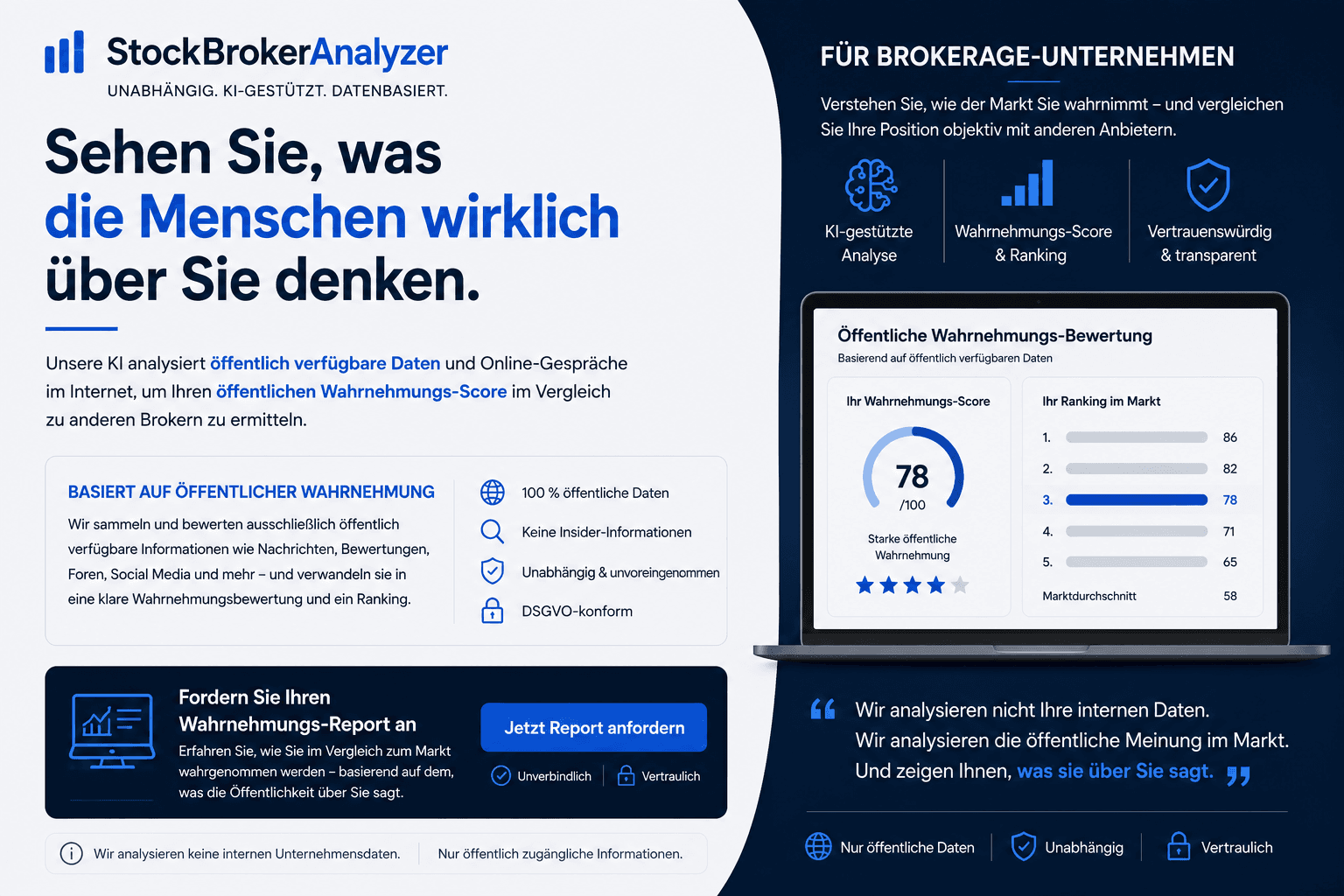
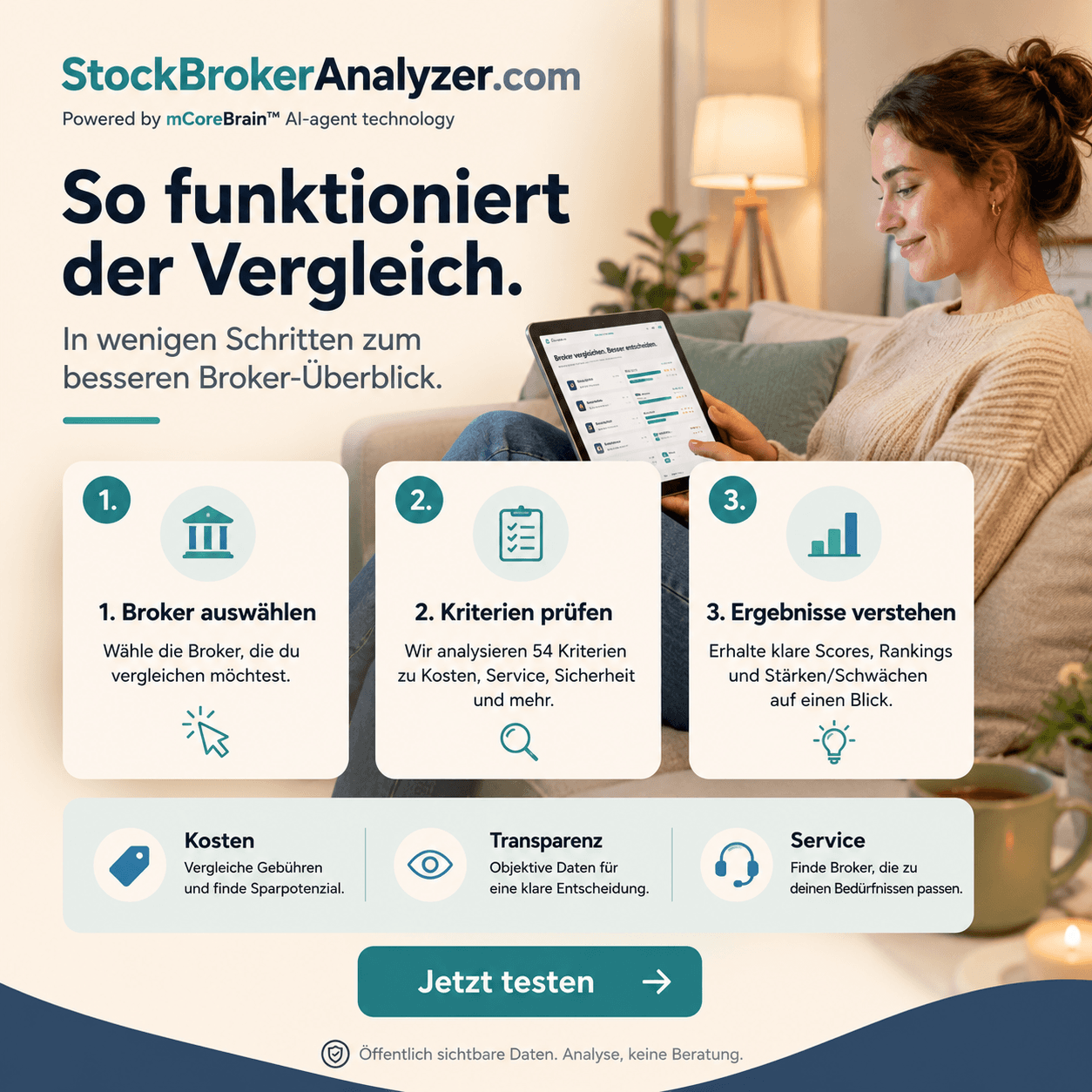
Dutch retail investors often face a challenge: how do you assess a brokerage platform's quality before depositing your money? StockBrokerAnalyzer.com uses structured, publicly available criteria to evaluate brokers. For investors in the Netherlands, this approach relies on regulatory transparency mandates and official supervisory records from local authorities.
The AFM Register: A Foundation for Independent Analysis
The Netherlands Authority for the Financial Markets (AFM) is responsible for the oversight and regulation of the financial services industry within the Netherlands. In the Netherlands, only investment firms having obtained a licence from AFM and credit institutions having obtained a licence from DNB may offer investment services and/or perform investment activities. This licensing requirement creates a public register that forms the backbone of transparent broker analysis.
StockBrokerAnalyzer's approach begins with these official public records. De Autoriteit Financiële Markten (AFM) ensures the financial markets operate transparently, with supervision focusing on savings, investment, insurance, lending, pensions, capital markets, and asset management. By analyzing which brokers appear in the AFM's official investment firm register and which do not, investors can independently verify whether a platform has the legal authority to operate in the Dutch market.
MiFID II Transparency as an Evaluation Framework
The objective of MiFID II (Markets in Financial Instruments Directive) is to make European financial markets more transparent and to strengthen investor protection. In the Netherlands, the Dutch Authority for the Financial Markets (AFM) oversees compliance with MiFID II, ensuring investor protection and proper functioning of capital markets, focusing on transparency, product development, and market structure.
MiFID II mandates that all investment firms disclose their costs, charges, execution quality, and business conduct rules to clients. StockBrokerAnalyzer uses these required public disclosures—rather than proprietary data—to help investors compare how different platforms meet regulatory standards. MiFID II contains rules regarding cost transparency, investment advice and professional competence of staff with client contact, and the best execution obligation has been expanded and tightened.
Why Publicly Available Data Matters
The strength of this methodology lies in its independence and verifiability. StockBrokerAnalyzer does not rely on proprietary testing, internal algorithms, or confidential broker information. Instead, it analyzes what regulators require brokers to publish: registration status, conduct supervision records, cost disclosures, and execution quality reports.
For Dutch investors, this means the analysis rests on sources you can independently verify yourself. Financial enterprises are covered by the supervision conducted by the Netherlands Authority for the Financial Markets (AFM), with supervision focusing on orderly and transparent financial market processes, integrity of relations between market players and due care in the provision of services to clients. By grounding evaluation in these official supervisory frameworks, rather than opinion or recommendation, the platform provides insight into how the brokerage industry actually works under Dutch and European regulation.
Investor Protection and Regulatory Oversight
Understanding a broker's regulatory standing is also connected to investor protection frameworks. The Dutch Deposit Guarantee Scheme protects money you have deposited from €0.01 to €100,000, with protection applying per person and covering the total amount you have in your accounts. Meanwhile, the investor compensation scheme is available to investors who invest through a financial institution, with European legislation stipulating a minimum investor compensation of €20,000 per investor.
Publicly available AFM data reveals which brokers are covered by these protection schemes and under what conditions. This transparency helps investors make informed decisions based on actual regulatory safeguards, not marketing claims.
How to Use This Framework
StockBrokerAnalyzer's methodology is designed to be transparent and repeatable: it analyzes only information regulators publish, structures evaluation using criteria from regulatory frameworks, and discloses which public sources inform its analysis. This allows Dutch investors to understand not just *which* broker data matters, but *why*—based on AFM oversight, MiFID II requirements, and investor protection law.
The goal is not to recommend a specific broker, but to explain how the brokerage industry works and what public regulatory data reveals about broker compliance, transparency, and risk.
Sources
- Netherlands Authority for the Financial Markets (AFM)
- AFM Register of Investment Firms
- MiFID II Supervision by AFM
- De Nederlandsche Bank – Deposit Guarantee and Investor Compensation
Analysis, not investment advice.